Material and Labor Components
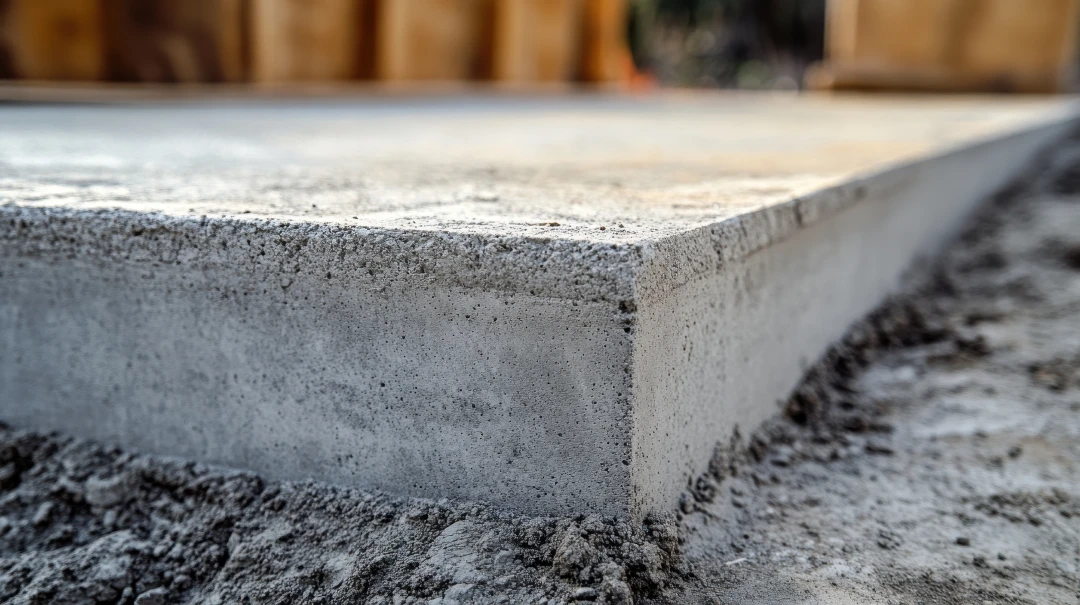
When planning your budget, understanding the fundamental cost structure helps set realistic expectations. Material expenses typically account for 40-50% of the total investment, covering concrete, reinforcement materials, and base aggregates. The concrete itself runs between $115-$130 per cubic yard in the Central Arkansas region, with standard 4-inch thick driveways requiring approximately one cubic yard for every 80 square feet. A typical two-car driveway measuring 20 feet by 40 feet (800 square feet) needs roughly 10 cubic yards of concrete, putting base material costs around $1,150-$1,300 before delivery fees.Labor represents the other significant portion, encompassing demolition of existing surfaces, excavation, subgrade preparation, formwork construction, concrete placement, finishing, and cleanup. Skilled crews command $50-$75 per hour in Little Rock, Cabot, and North Little Rock, with most standard projects requiring 16-24 hours of combined crew time. This labor component typically adds $1,600-$2,400 to your project, though complex sites with access challenges or extensive grading needs may push these figures higher. The relationship between material and labor costs shifts when you select thicker concrete or decorative finishes, as these upgrades increase both components proportionally.Base preparation materials including crushed stone or gravel add another $200-$400 for proper drainage and stability. A compacted 4-6 inch base layer prevents settling and extends the lifespan of your installation significantly. In areas with expansive clay soils common throughout the Arkansas River Valley, this foundation layer becomes essential for long-term performance. Reinforcement options like wire mesh ($0.25-$0.40 per square foot) or rebar grids ($0.50-$0.85 per square foot) provide additional crack resistance, particularly valuable for driveways serving heavier vehicles or spanning softer soil conditions.
Demolition and Disposal Considerations
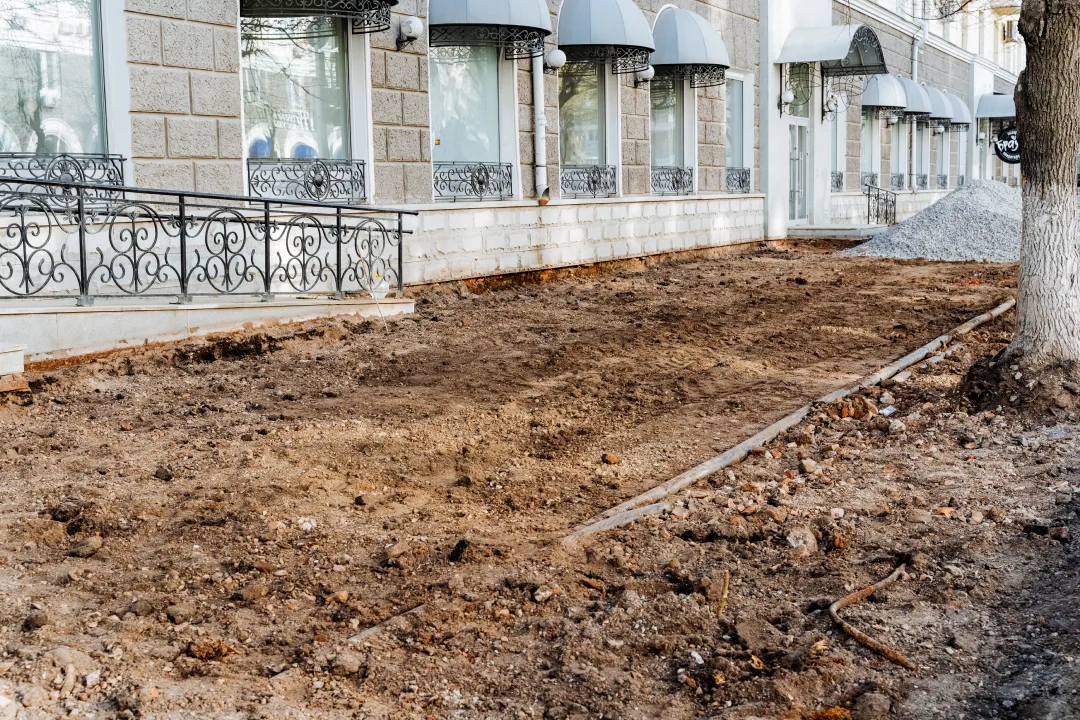
Removing your existing surface adds $2-$4 per square foot to the overall investment, varying based on thickness, reinforcement presence, and breakup difficulty. Older concrete from the 1960s-1980s often lacks rebar, making removal easier and less expensive than modern reinforced installations. An 800-square-foot removal typically costs $1,600-$3,200, including breaking, loading, and hauling to approved disposal facilities. Equipment access plays a crucial role in these costs – properties with narrow side yards, steep slopes, or limited street access require smaller equipment and more hand labor, potentially increasing removal expenses by 25-40%.Disposal fees in the Jacksonville and surrounding service areas range from $35-$55 per ton, with concrete debris weighing approximately 4,000 pounds per cubic yard. Your average two-car driveway generates 12-15 tons of demolition material, adding $420-$825 in pure disposal costs before transportation. Some contractors include these fees in per-square-foot pricing, while others itemize them separately, so clarifying what your quote covers prevents surprises when the invoice arrives.Site preparation extends beyond simple removal to address grading, drainage, and soil stabilization. Properties with poor drainage or standing water issues need corrective grading, adding $500-$1,500 depending on severity. The rolling topography and clay-heavy soils in North Little Rock frequently require additional attention to establish proper pitch away from structures. During spring rains, I’ve seen sites that looked level when dry reveal significant drainage problems once water accumulates, making thorough evaluation before concrete placement essential. Soft spots or organic soil pockets may require excavation to stable subgrade and backfilling with engineered fill, potentially adding $400-$900 to preparation costs but preventing future settling and cracking.
Square Footage and Slab Depth
Total square footage drives your bottom line more directly than any other single factor. Single-car driveways averaging 10 feet by 20 feet (200 square feet) represent the lower end at $1,200-$2,000 installed with standard specifications. Two-car configurations at 20 feet by 40 feet (800 square feet) run $4,800-$8,000, while extended driveways serving three or more vehicles or including turnaround areas can reach 1,200-1,500 square feet, commanding $7,200-$12,000 or more. These ranges assume 4-inch standard concrete on properly prepared bases with basic broom finishes, providing reliable service for typical passenger vehicles.Thickness upgrades alter the economics significantly. Moving from 4-inch to 5-inch concrete increases material volume by 25%, adding approximately $1.20-$1.60 per square foot to your project costs. For an 800-square-foot driveway, this translates to an additional $960-$1,280 in material and placement expenses. The investment makes financial sense when you regularly park work trucks, recreational vehicles, boats on trailers, or other heavy equipment that concentrates weight on smaller contact patches. The soil conditions throughout Cabot and surrounding communities, characterized by expansive clays that swell with moisture and shrink during dry periods, also justify thicker installations that better resist the stresses from ground movement.Jumping to 6-inch thickness, while less common for residential driveways, provides maximum durability for commercial-grade use or problem soils. This specification increases costs by 50% over standard 4-inch installations, adding $2.40-$3.20 per square foot. While this seems steep, consider that a properly installed 6-inch driveway on well-prepared base may last 40-50 years versus 25-30 years for standard thickness, potentially offering better lifetime value for properties you plan to own long-term. The decision balances upfront investment against expected service life and usage patterns unique to your situation.
Aesthetic Enhancement Pricing
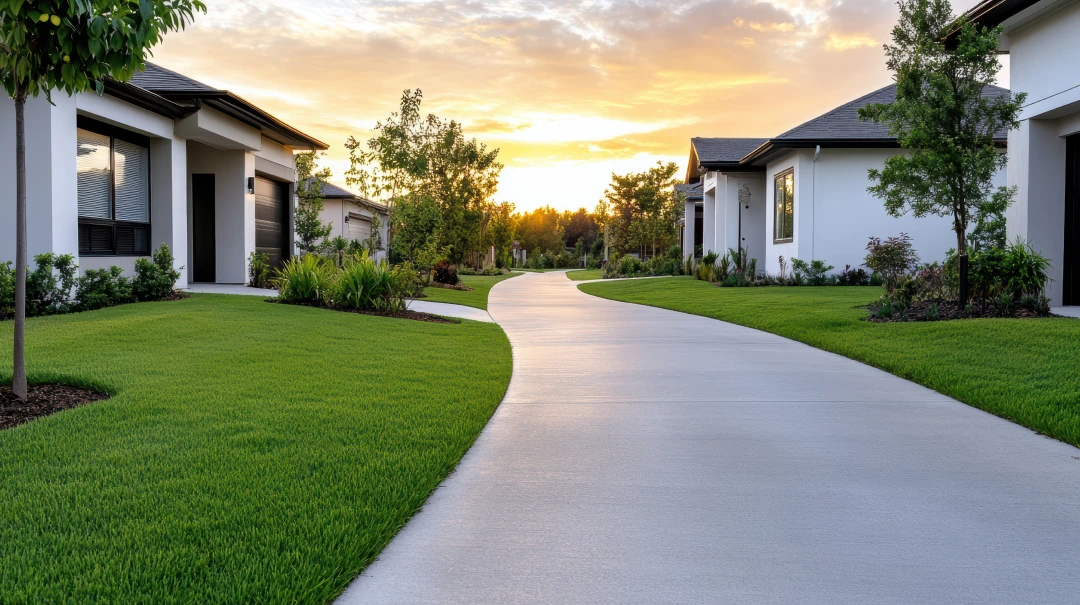
Standard gray concrete with broom finish represents the baseline, but decorative treatments transform functional surfaces into attractive landscape features. Stamped patterns replicating flagstone, slate, brick, or custom designs add $3-$8 per square foot depending on pattern complexity and color integration. An 800-square-foot driveway with stamped finish runs $2,400-$6,400 in additional costs beyond the base installation. These treatments work particularly well on front-facing driveways visible from the street, where enhanced curb appeal contributes to overall property values.Integral color mixed throughout the concrete ensures consistent appearance even if surface wear occurs over time. These pigments add $0.75-$1.50 per square foot, creating earth tones, terra cottas, or charcoal shades that complement your home’s exterior. Surface stains applied after curing offer more varied color palettes and can create multi-toned effects, running $1-$2.50 per square foot for application. The humid summers in Little Rock can accelerate UV fading on surface treatments, making integral coloring a more durable choice for long-term color retention, though initial costs run slightly higher.Exposed aggregate finishes reveal decorative stone embedded in the concrete surface, providing texture and visual interest at $2-$5 per square foot premium. This option offers excellent traction in wet conditions, valuable during the ice storms that occasionally impact Central Arkansas winters. Border treatments, accent bands, and geometric patterns incorporating multiple finishes create custom looks but require additional forming, placement time, and finishing expertise, adding $500-$2,000 to projects depending on design complexity. When allocating your budget, consider concentrating decorative treatments on the most visible portions while using standard finishes on side or rear access areas to balance aesthetics with cost management.
Working with Experienced Professionals
Navigating the variables in replacement costs becomes easier when you work with contractors familiar with local soil conditions, climate considerations, and regional pricing. Planit Dirt Excavation and Concrete Inc. brings extensive experience to projects throughout Little Rock, Cabot, North Little Rock, and surrounding areas, offering accurate estimates that account for site-specific factors affecting your investment. Their approach combines proper excavation and grading with quality concrete placement, ensuring your budget delivers maximum value through installations engineered for Central Arkansas conditions.Choosing contractors who handle both excavation and concrete work streamlines project coordination, often reducing overall costs compared to hiring separate specialists. This integrated approach ensures the base preparation receives the same attention to detail as the surface finishing, creating the foundation for decades of reliable service. When evaluating quotes, look beyond the bottom line to understand what each proposal includes regarding base depth and compaction, reinforcement specifications, concrete thickness, finishing details, and warranty coverage. The lowest bid often reflects shortcuts in preparation or materials that compromise long-term performance.Quality installations balance upfront investment with lifecycle costs, recognizing that proper execution prevents expensive repairs within the first 5-10 years. During our unpredictable spring weather patterns when ground conditions can shift from saturated to dry within weeks, experienced contractors adjust placement timing and curing procedures to ensure optimal results. This local knowledge, combined with appropriate equipment and skilled crews, delivers finished driveways that handle daily use while maintaining structural integrity and appearance through seasons of temperature swings, moisture cycles, and normal wear.